
Personally, I’ve never been a fan of online multiplayers. Roblox, Fortnite, Grand Theft Auto – none of them caught my attention the way indie or single players did. But everything changed… when the fire nation attacked. ;p Nah, I’m just kidding. What did change my mind was the game my old friend recommended me, Dead by Daylight.
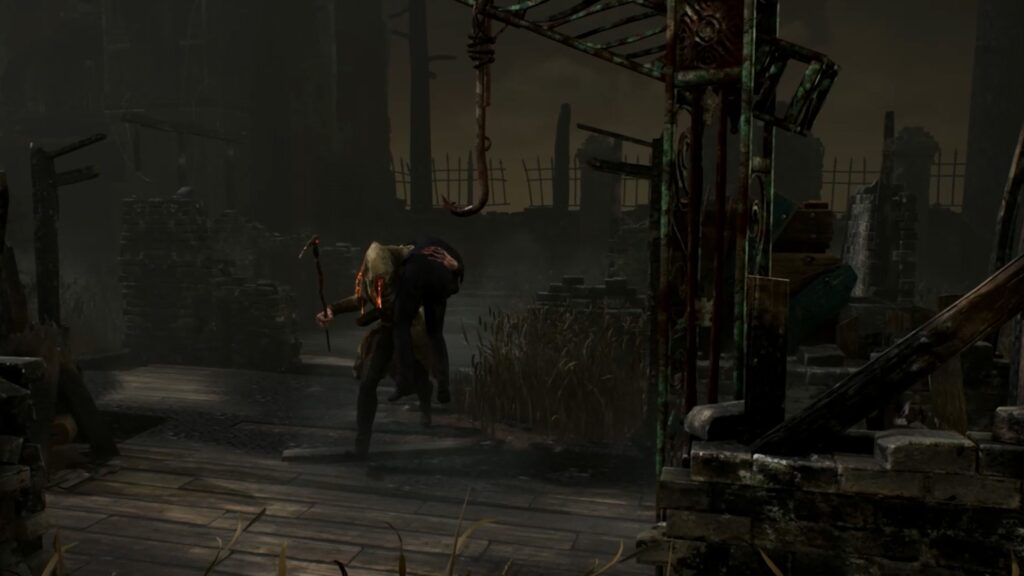
Dead by Daylight, or DbD, entered the floor in 2016 on Windows. Although it had received mixed reviews upon first release, the game skyrocketed to 3 million sales within the span of a year and change. 2017, Playstation and Xbox were added; 2019, mobile and Switch was added. By 2021, the game had passed 36 million players, and by 2025, the franchise had its own cafe in Tokyo, a dating sim, board games, and even comic books. But what made this game such a rapid success?
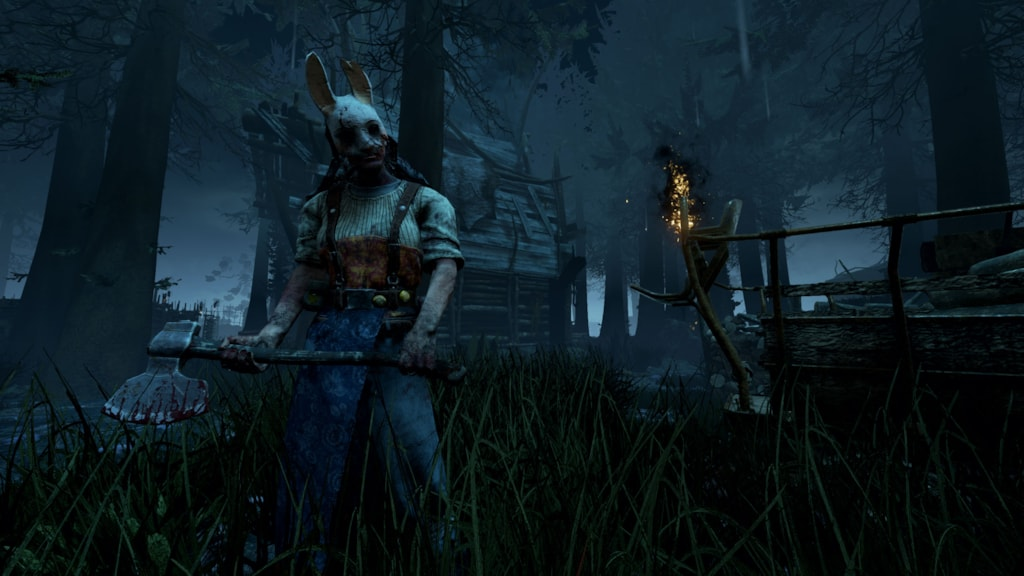
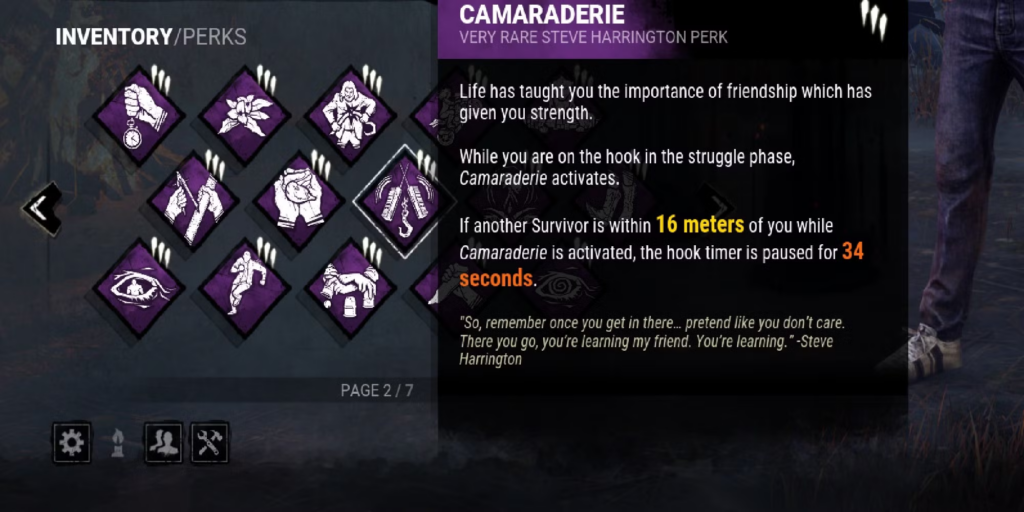
First off, the variability of the game is a large factor in success. You play as one of four Survivors, or as the lone Killer. Survivors have a few main tasks – repair generators to escape, help the other Survivors, and to avoid getting hooked by the killer. The Killer’s role is to destroy generators, hook Survivors to sacrifice them to the Entity, and prevent escape by any means necessary. As a player, you get to customize your character with up to four perks. Each character has their own specialized three perks relating to their backstory/skillset, but others can be unlocked via use of Bloodpoints. Other factors of success include the cross-platform play, the easy-to-use matchfinding system, and more.
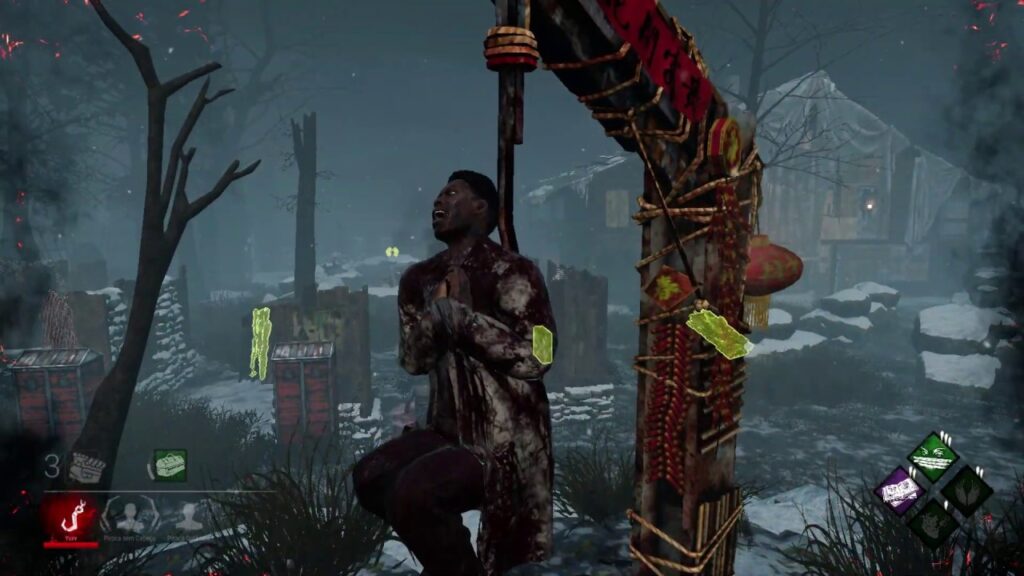
As a whole, Dead By Daylight is a highly immersive game. You can’t just rely on your sense of sight to spot the Killer – you have to look for hints to their location, strategize with your Bloodpoints to get perks, listen for their footsteps, or listen for the struggles of hooked survivors. Hooking is a mechanism unique to DbD, where the Killer carries captured Survivors over a meat hook stand to spear them through the shoulder. If the Survivor stays on the hook long enough (three main “lives” or timespans to escape), they get sacrificed to the Entity – the main driving force behind the game and the reason Killers exist.
As the game starts, the tutorial walks you through the basics – movement, crouching, vaulting, skill checks, etc. All the usual things. You also get introduced to your first Killer – Evan MacMillan, also known as The Trapper. His skillset is area control: by scattering bear traps across the map, he’s able to lay deadly traps for any Survivor trying to escape. He starts off with three main perks – Agitation, Brutal Strength, and Unnerving Presence.
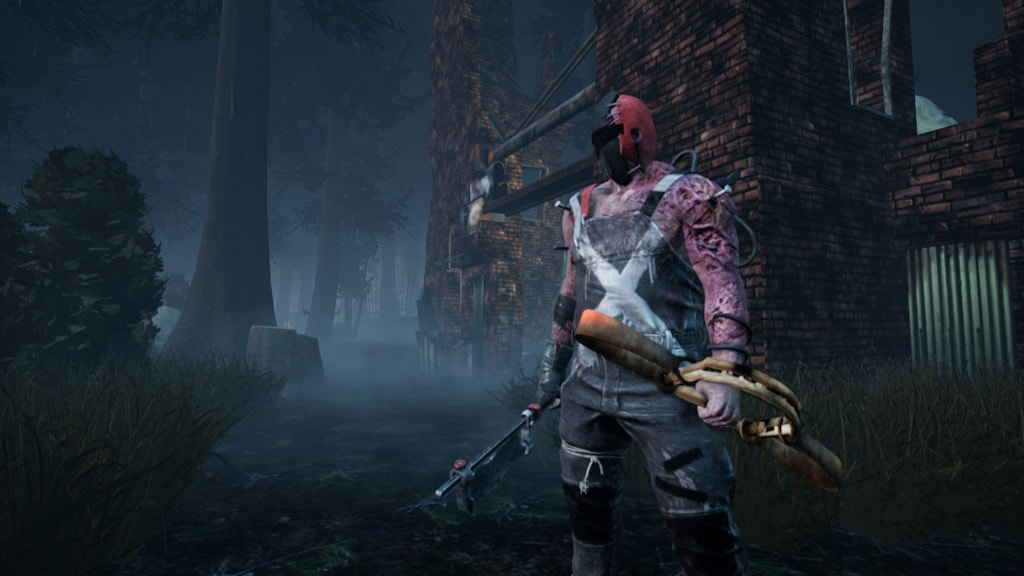
Once the tutorial is finished, you can finally load into a game. As you’re released into your first match, the game wastes no time in reminding you that you. are. prey. The moment you load in, you’re greeted by a fog-encompassed landscape, a few generators in eyesight (if you’re lucky), and not a single clue as to where the Killer is. Unlike other multiplayers, there’s no minimap, no arrow, no friendly UI. Just you, the faint hum of the generator, the sounds of the night…. and the heartbeat. And that’s when you know: it’s time to run.
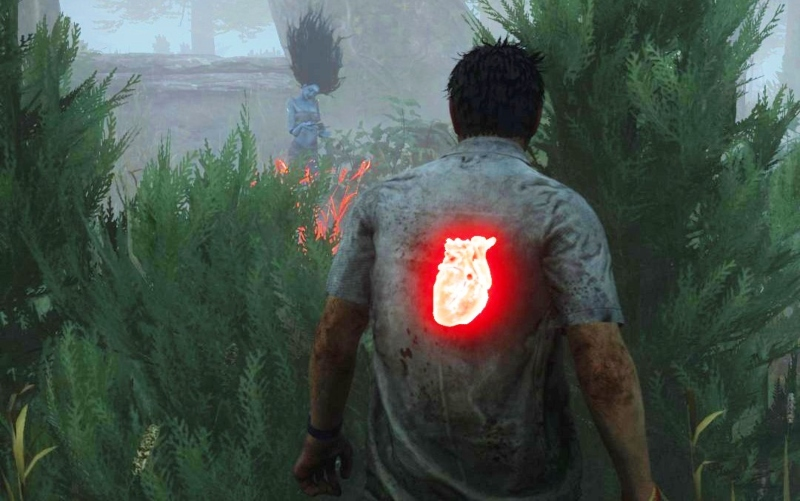
If you’ve never played DbD, the second best mechanic in the game is the terror radius. The closer the Killer gets? The louder your heartbeat pounds. Simple, yet effective – the debilitating horror that hits every second you hear it grow. You look around wildly. You sprint away at a crawl. You crouch behind a rock that covers half of your body. And then you see the Killer, and all that goes through your mind is “God, I screwed up.”
Once you’ve survived (or died in) your first few matches, the game opens up in layers. Like any good skill tree, DbD’s progression system reveals itself slowly. You start earning Bloodpoints, unlocking perks, experimenting with builds, and discovering just how deep the strategy goes. Maybe you try a stealth build with Urban Evasion and Lightweight. Maybe you go full altruist with Borrowed Time and We’ll Make It. Or maybe you decide you’re tired of being hunted and switch to Killer, where the power dynamic flips entirely. No matter what you choose, the game finds a way to pull you back in.
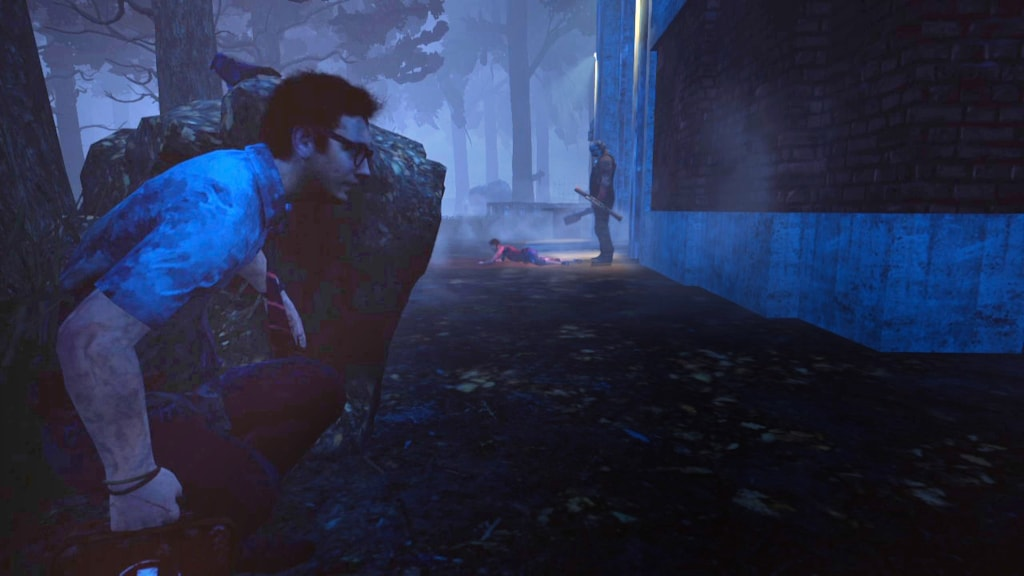
Part of that is the atmosphere. DbD doesn’t rely on jump scares or gore to unsettle you – it relies on tension. The creak of a floorboard. The rustle of corn. The distant clang of a generator being kicked. The sound design is so effective that even silence becomes threatening. You’re constantly on edge, constantly scanning, constantly listening. It’s exhausting in the best way.
As you continue playing, you start to appreciate the game’s variety. No two matches feel the same. Different Killers, different maps, different teammates, different perks—it all combines into this chaotic, unpredictable experience that somehow manages to be both infuriating and exhilarating. One match you’re a hero, unhooking teammates and slamming generator parts into place. The next match you’re hiding in a locker for two minutes because you heard a twig snap and panicked.
By the time you’ve played a dozen or so matches, something clicks. You start predicting Killer paths. You learn to loop. You hit great skill checks consistently. You understand when to hide and when to run. And when you finally escape through the exit gate for the first time – heart pounding, screen shaking, Killer inches behind you – it feels like a genuine accomplishment. Not just “I won a match,” but “I survived.”
Dead by Daylight is not a relaxing game. It’s stressful, sweaty, and occasionally rage‑inducing. But it’s also one of the most unique multiplayer experiences out there. If you enjoy tension, strategy, and the thrill of barely escaping with your life, this game will sink its hooks into you – pun absolutely intended. If you prefer calm, cozy gameplay… maybe stick to Stardew Valley.
